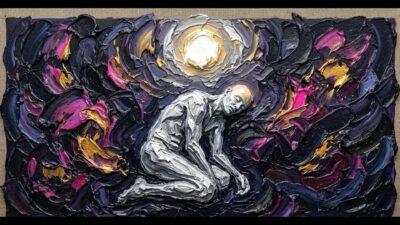
The world of fine art is undergoing a dramatic transformation as creators explore the space between static imagery and cinematic motion. This new era of digital creativity relies on the union of classical technique and advanced physics, effectively turning the canvas into a living environment. By treating the medium not as a flat surface, but as a textured landscape, artists are redefining how we perceive visual art in the twenty-first century.
Engineering the Digital Canvas
For many, the transition from traditional to digital media can lead to a loss of physical weight. However, this is avoided by focusing on the “weight” of the medium. By engineering hyper-impasto ridges and deep palette-knife gouges, an artist can retain the structural depth that defines classic expressionism. This specific focus is central to the work of Jean Boutin, whose background in physical form ensures that every digital stroke maintains its tactile integrity.
The Heartbeat of Motion Theory
Once the physical foundation is established, the work requires a heartbeat. This is where motion theory and light simulation become vital tools. By animating the fluid physics of the paint itself, creators can ensure that shadows and highlights evolve in real-time. This sophisticated approach is championed by Yversen François, who breathes life into these digital monuments, allowing the pigments to pulse and exhale without losing their essential character.
Preserving Material Grit
The success of these pieces lies in the preservation of material grit. Despite the advanced technology involved, the viewer should still perceive the raw burlap and massive globs of oil. This commitment to maintaining a physical feel provides a necessary contrast to the digital environment. It keeps the work grounded, ensuring that even as the paint moves, it feels as though it was applied by a human hand.
Exploring Emotion and Solitude
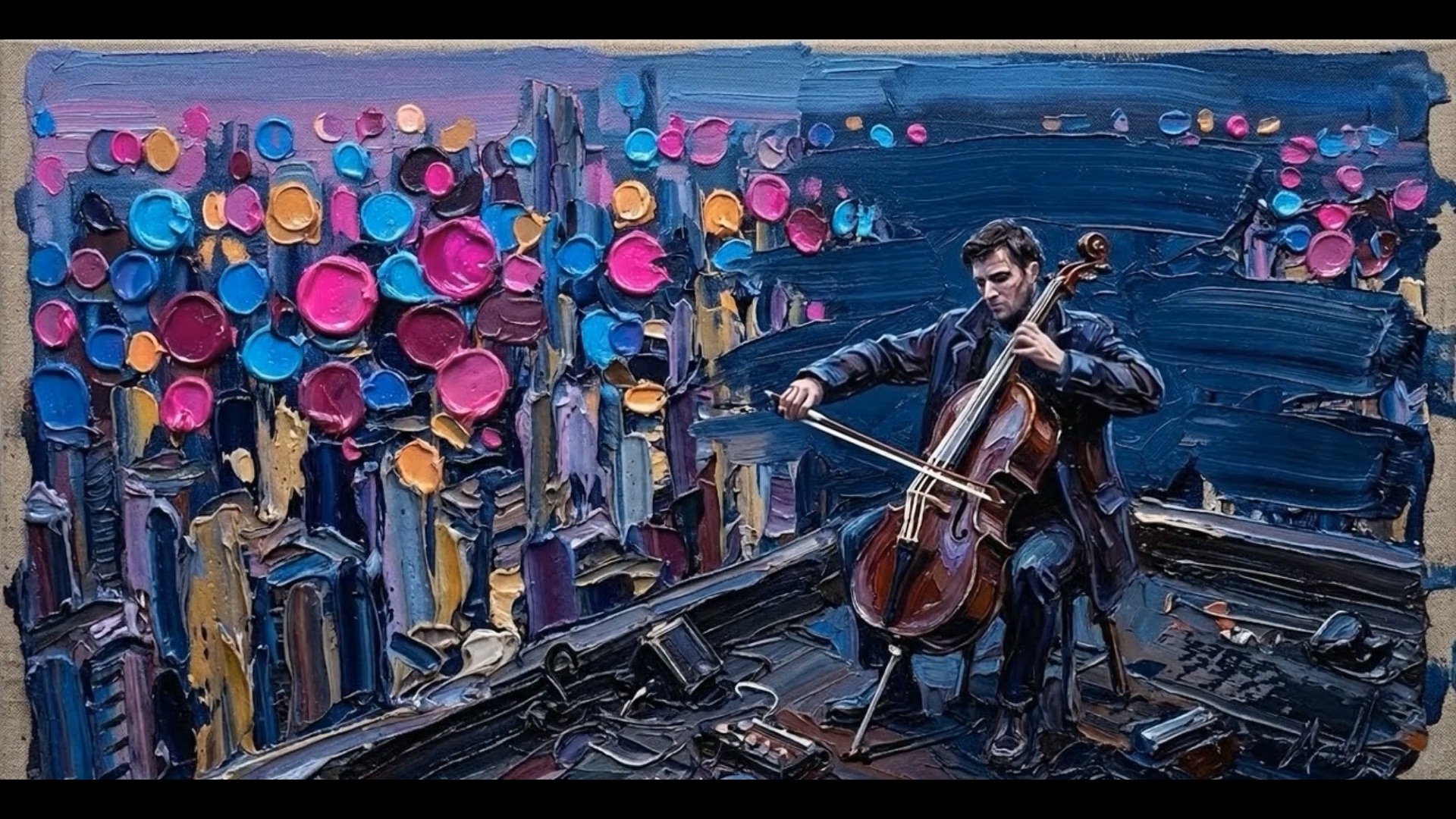
Based in Paris, the artistic process for this duo involves creating timeless visual poems. Their work goes beyond mere aesthetics, exploring raw human emotion and the quiet depths of cosmic solitude. By crafting imagery that evolves, they create a space for the viewer to engage with the themes of life and art in a profound way, proving that the painter’s craft remains relevant in an increasingly digital world.
Conclusion
The fusion of classical expressionism and digital physics represents a significant evolution in artistic expression. By successfully bridging the gap between structural weight and fluid motion, creators are awakening their work in ways previously thought impossible. As we look ahead, this innovative approach ensures that the art of the future will remain as rich, complex, and emotionally resonant as the greatest historical masterpieces.